Some links in this post are affiliate links. If you book through them, we earn a small commission at no extra cost to you. It helps us keep making free guides and videos.
Planning this trip was one of the hardest things we've done in six years of full-time travel. Italy has so much to see, and so many ways to get around, that we went back and forth for weeks. In the end we gave ourselves two weeks and picked the places we'd tell any first-timer to see. To be honest, it went better than we hoped. We cried when it was time to leave.
This is the route we took, from the canals of Venice down to Rome and the Amalfi Coast, back up through Tuscany and Florence, and a final stop on Lake Como. Below is what we loved, what it cost, and what we'd tell a friend before they go.
Free download: our Essential Italy Guide covers the Schengen rules, the new EU border checks, the Venice day-trip fee, trains vs car hire and real costs in three pages. Grab it before you book anything.
Watch the full trip on our YouTube channel →
Our two-week Italy route at a glance
Venice: the Grand Canal, St Mark's Square and getting lost in the back alleys
Rome: Trevi at sunrise, the Pantheon, the Colosseum and the best food tour of our trip
Sorrento & the Amalfi Coast: Pompeii, Positano by Vespa and a day on the water
Tuscany: a farm stay in the Val d'Orcia, wine tasting and a Fiat 500
Florence: the Duomo, David and a pasta-making class
Lake Como: Bellagio and our favourite place in all of Italy
We flew into Venice because that's where the cheapest flight from Cape Town landed, and worked our way down and back up. There's no wrong way to do Italy. Rome and Venice usually have the cheapest flights, so check both and plan around whichever lands cheaper.
Venice: even better than we remembered
Landing at Venice Marco Polo was easy. Right outside the terminal you can buy bus tickets to the mainland, where most budget travellers stay, or to the island itself. You can also take the water bus straight into Venice. We stayed in a 1-bed Airbnb in Mestre on the mainland, which saved a lot, and caught the bus in. Buy your tickets at a tabacchi shop, like the locals do.
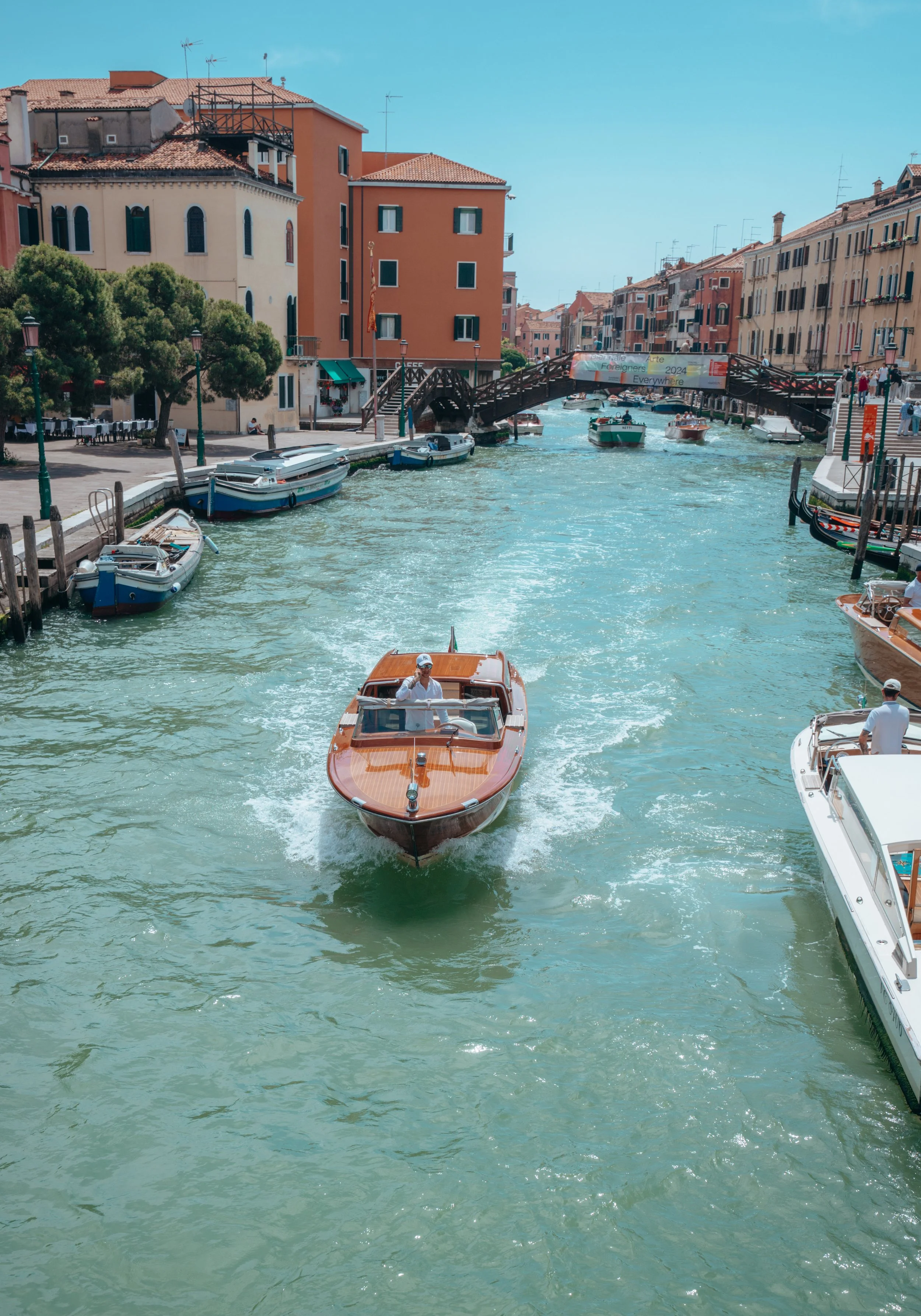
Within an hour of landing we were eating a panini and drinking a glass of wine on a canal, which still feels unreal. Then we rode the vaporetto down the Grand Canal to St Mark's Square. It honestly looks like a theme park. It doesn't look real. Rhett hadn't been since a grey winter's day 15 years earlier, and seeing it in summer, with blue skies and bright water, was like seeing a completely different city.
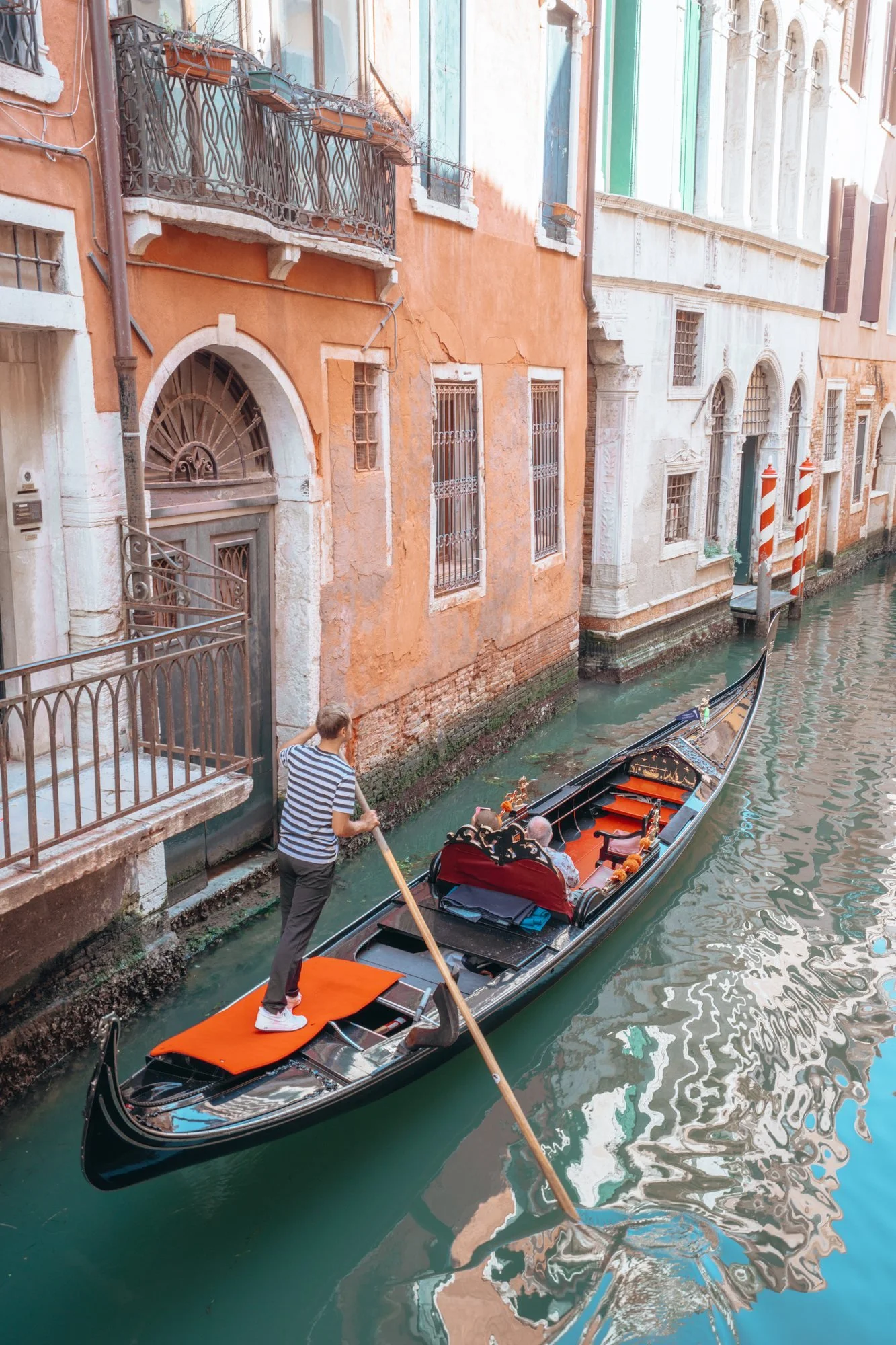
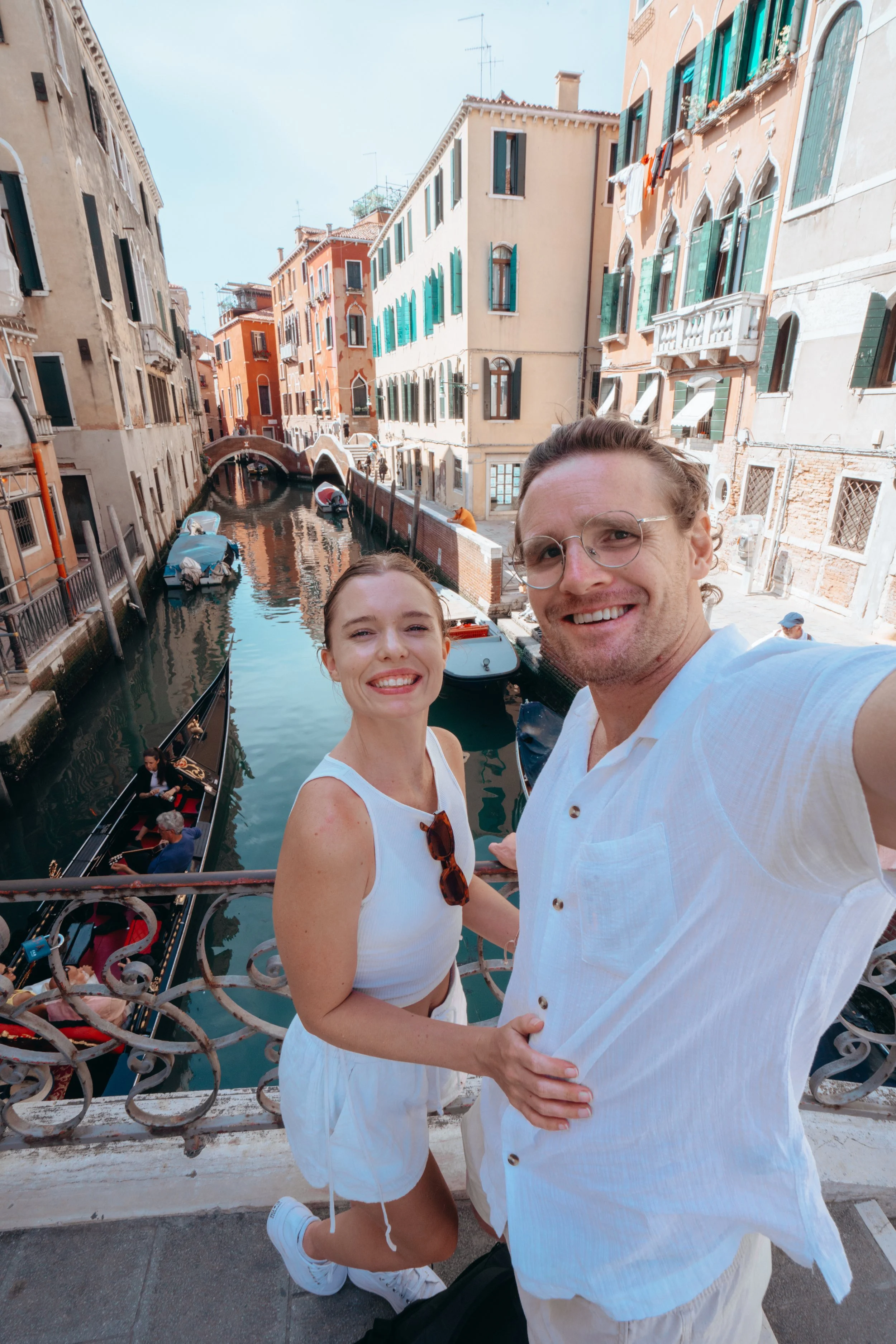
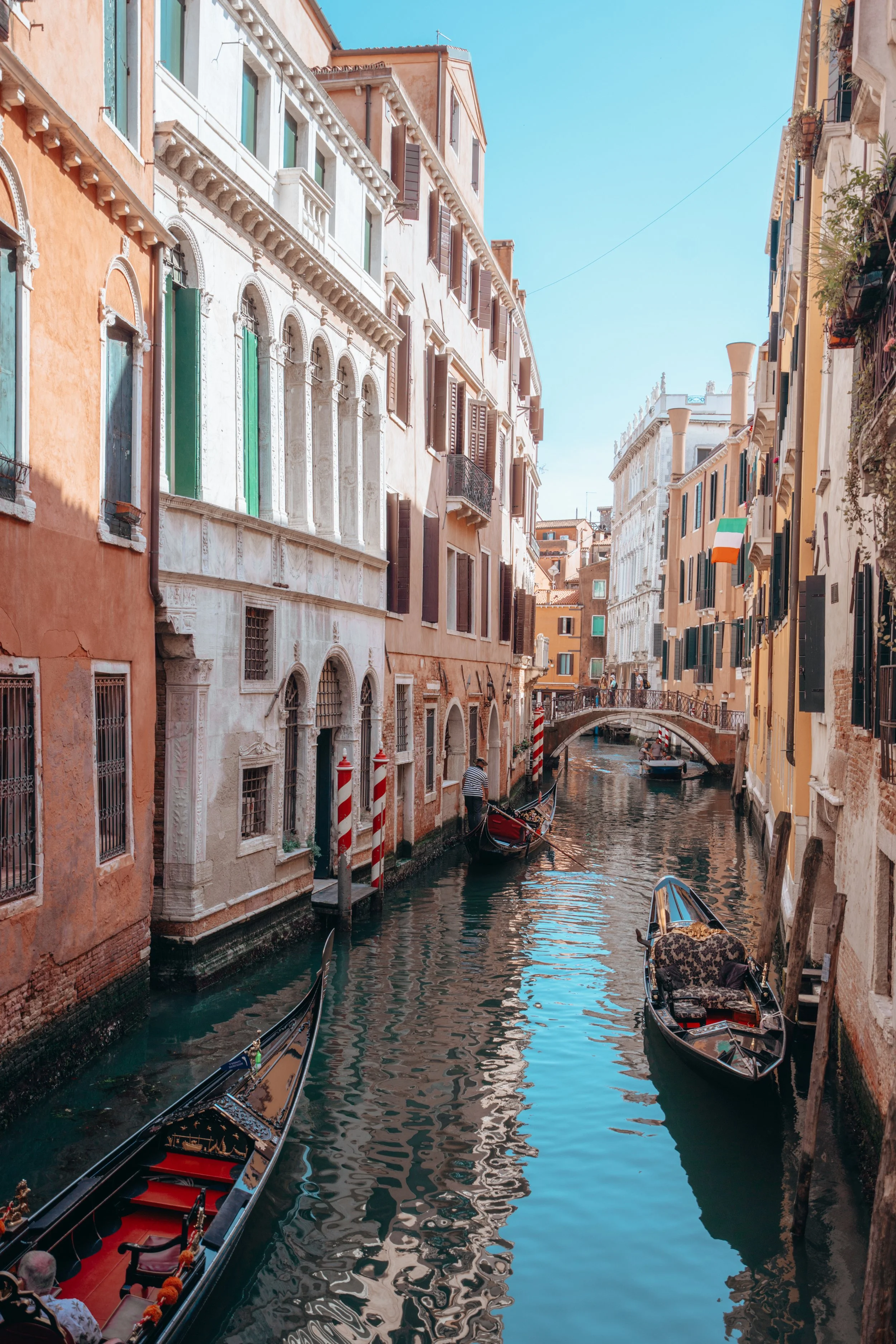
Gondolas on a quiet canal, a few streets from the crowds
You can go inside St Mark's Basilica, and if you want to skip the queue, there are skip-the-line tickets with an audio guide on our GetYourGuide list. Just around the corner is the Bridge of Sighs, which connects the court to the old prison. Prisoners crossing it would sigh at their last view of freedom.
What actually surprised us was how quiet Venice gets a few streets away from the crowds. Some people say you should skip it. We think they're nuts. Yes, it's touristy, but wander into the back alleys and you'll have them to yourself. Don't leave without takeaway pasta in a box from Dal Moro's, eaten on the edge of a canal, and gelato from Gallonetto.
Our tip: nobody tells you how long the walk back to the station is from St Mark's. Leave time for it, especially with bags. If you can afford it, sleep on the island at least one night: it's magic once the day-trippers leave. Visiting on a peak day without staying over? Check whether you need to pay the Venice access fee.
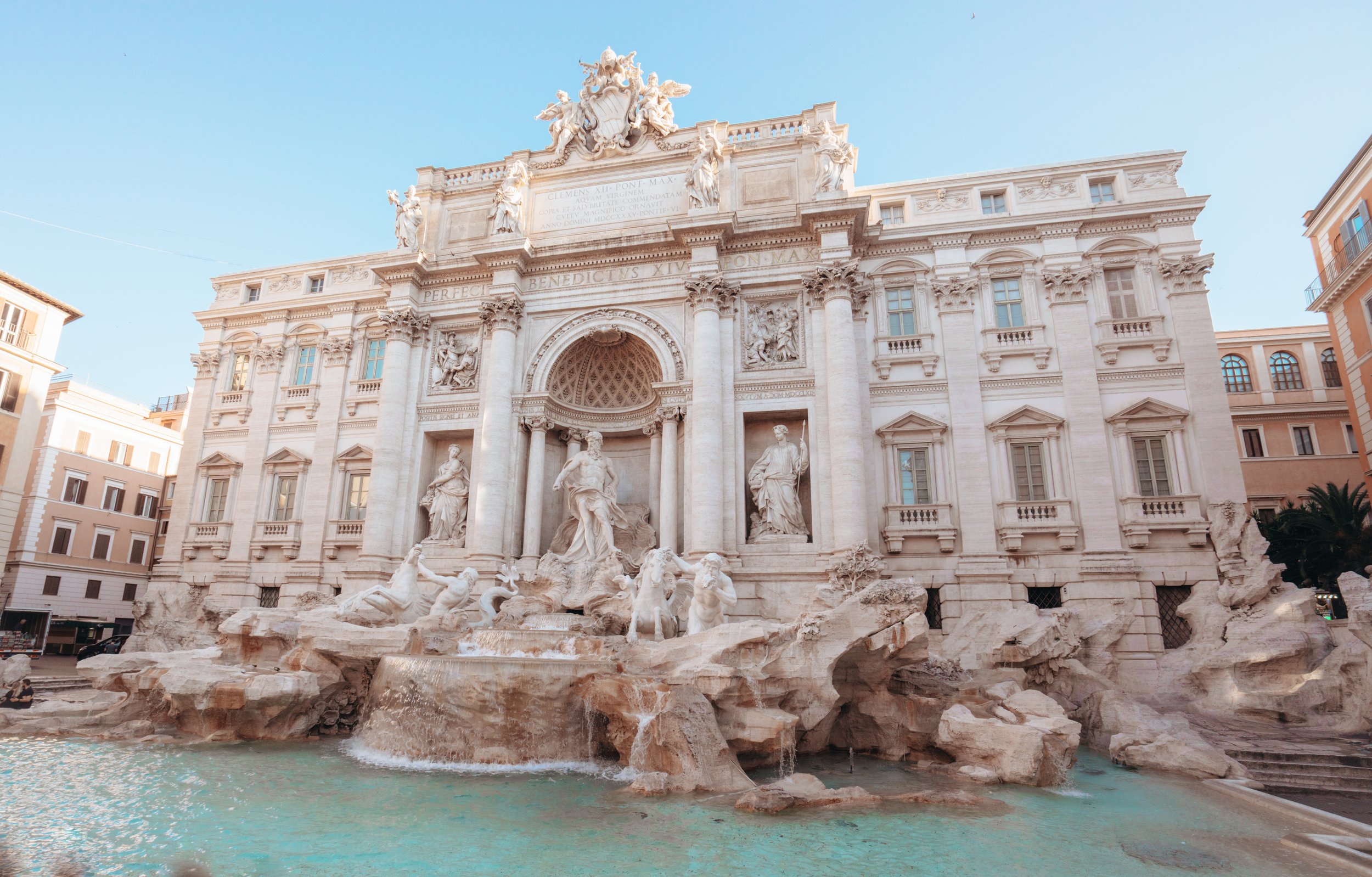
Rome: history on every corner
We took the fast train from Venice to Rome, about four and a half hours. Book Trenitalia or Italo tickets online so you don't have to validate them at the station, and get to the platform early. We made our train with seconds to spare.
We stayed at TuttoTondo Roma in Prati, across the river from the main sights and a couple of minutes from the Vatican and the Ottaviano metro. It's affordable and highly rated, but Rome is loud, so ask for a quiet room. Remember that every Italian city charges a tourist tax, paid at your stay: in Rome it was €6 per person per night for us. If it's your first time, the historic centre is the easiest place to stay. Monti has a boho village feel near the Colosseum, Trastevere is the foodie hub, and the area around Termini is the cheapest.
Trevi, the Pantheon and the Colosseum
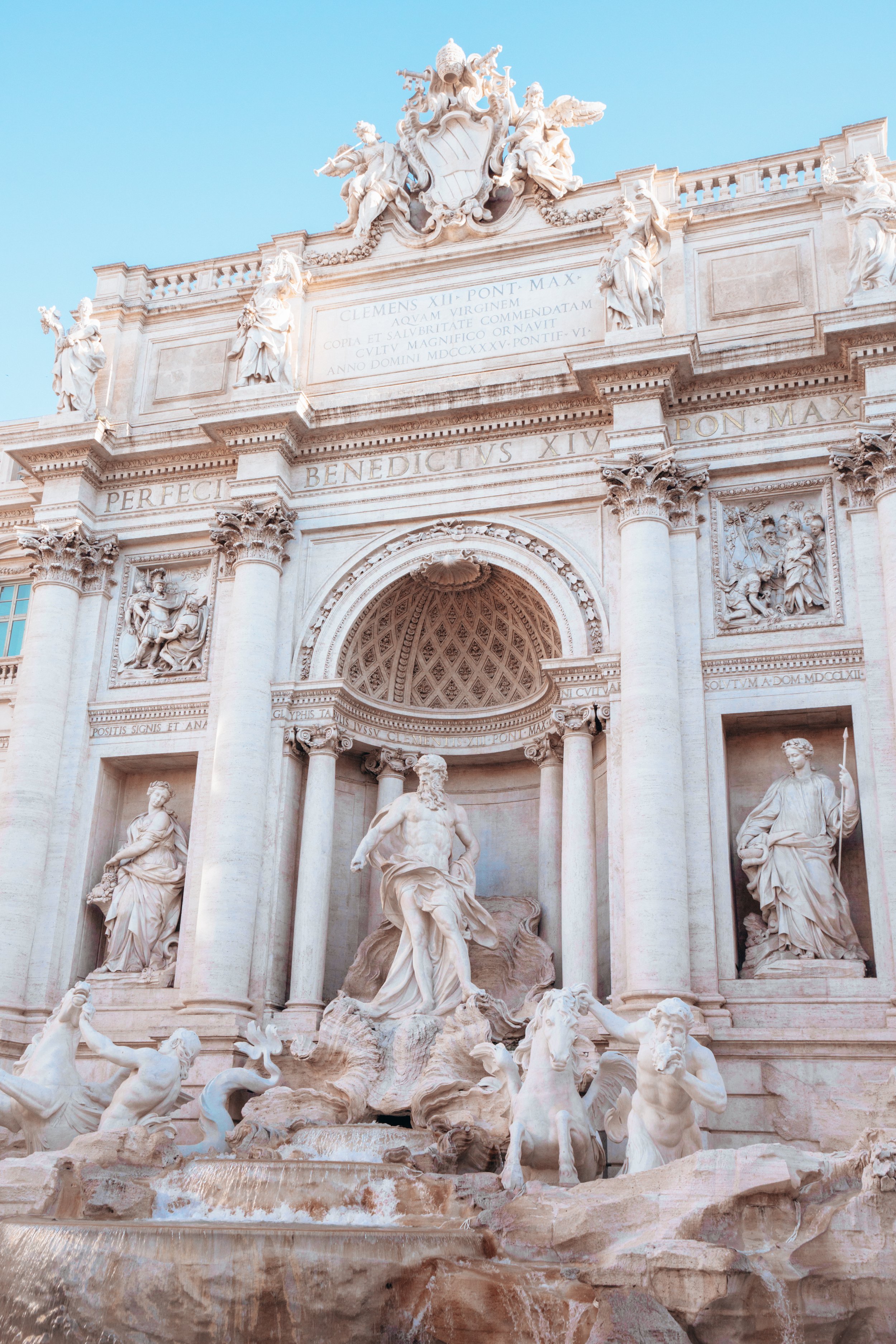
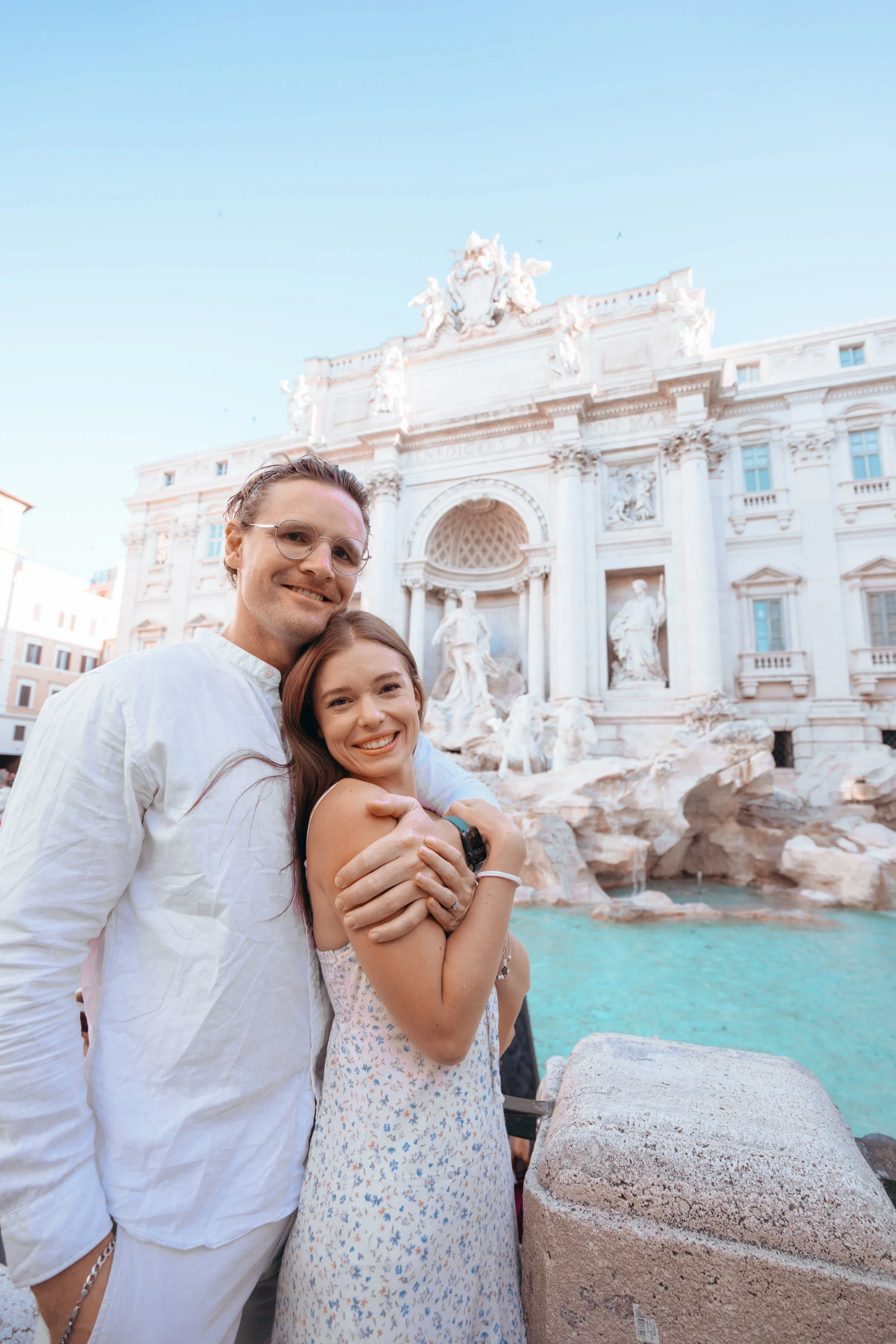
We got to the Trevi Fountain before 7am and it was already packed, so go at 5:30. Since February 2026, standing right beside the fountain costs €2 between 9am and 10pm (book here). Before 9 it's free, and you can always see it from the square.
A few streets away we literally bumped into the Pantheon. It's almost 2,000 years old and looks brand new. Here's the tip that saved us: there are three queues, and the card (tap-to-pay) line is the shortest and goes in first. We tapped Apple Pay and walked straight in. From there it's a short walk to Piazza Navona.
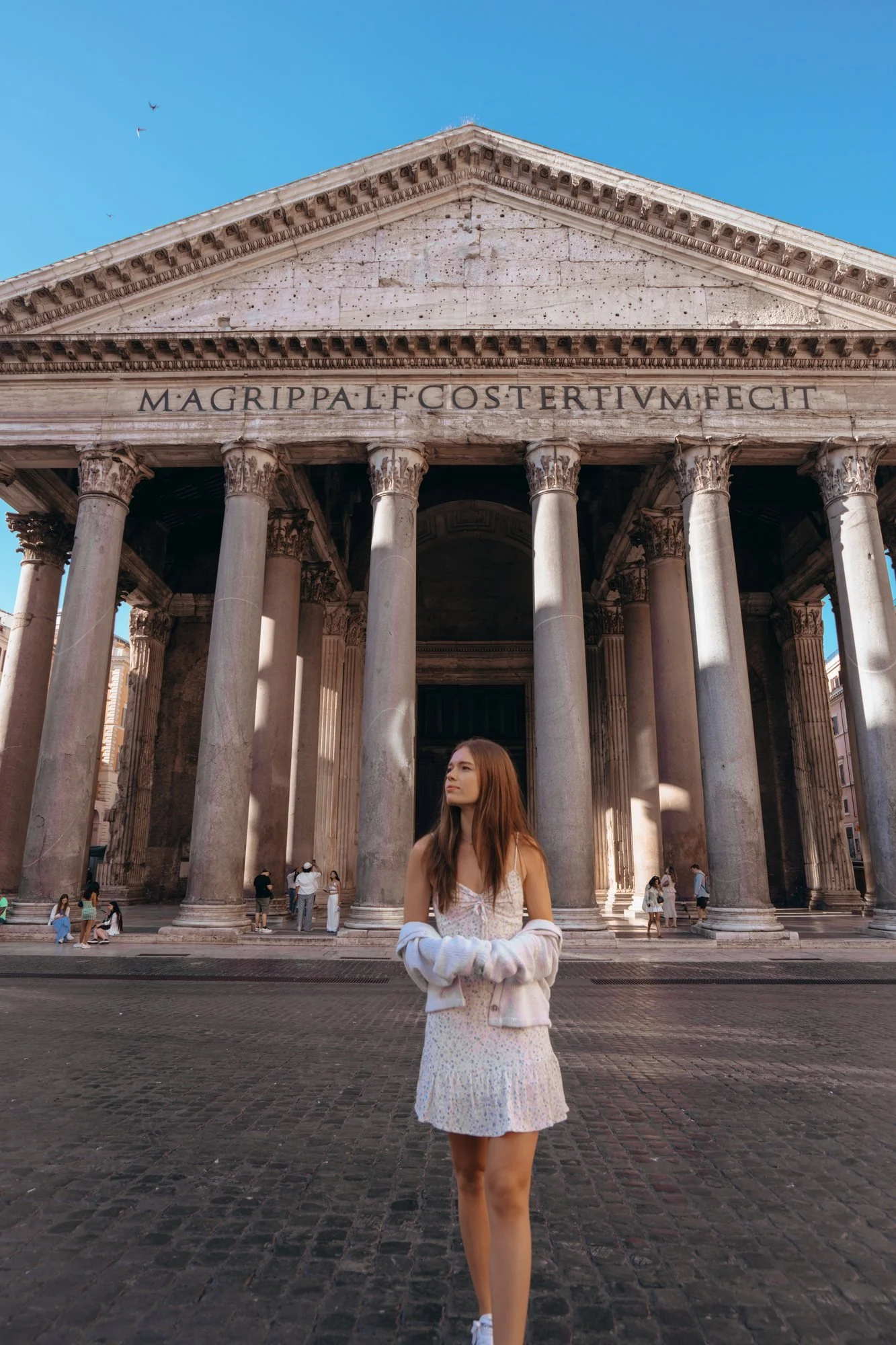
The Pantheon at 9am, before the queues built up
Then we took the metro to the Colosseum, Roman Forum and Palatine Hill. We didn't realise what an engineering marvel the Colosseum was: numbered arches, assigned seats and lifts that brought animals up into the arena. Book weeks ahead in summer.
The best food tour of our trip
If you do one thing in Rome, make it a food and history tour in Trastevere. We tried pecorino and porchetta, ate supplì (fried rice balls with mozzarella inside, only found in Rome), learned the story of the margherita pizza and had a drink in a restaurant basement as old as the Colosseum. Say "salute" and keep eye contact when you cheers, or it's seven years of bad luck.
On our last night we bought two takeaway pizzas and a beer for €17 and ate them in front of the Colosseum as it lit up. Cheap, simple, and one of our favourite moments of the trip.
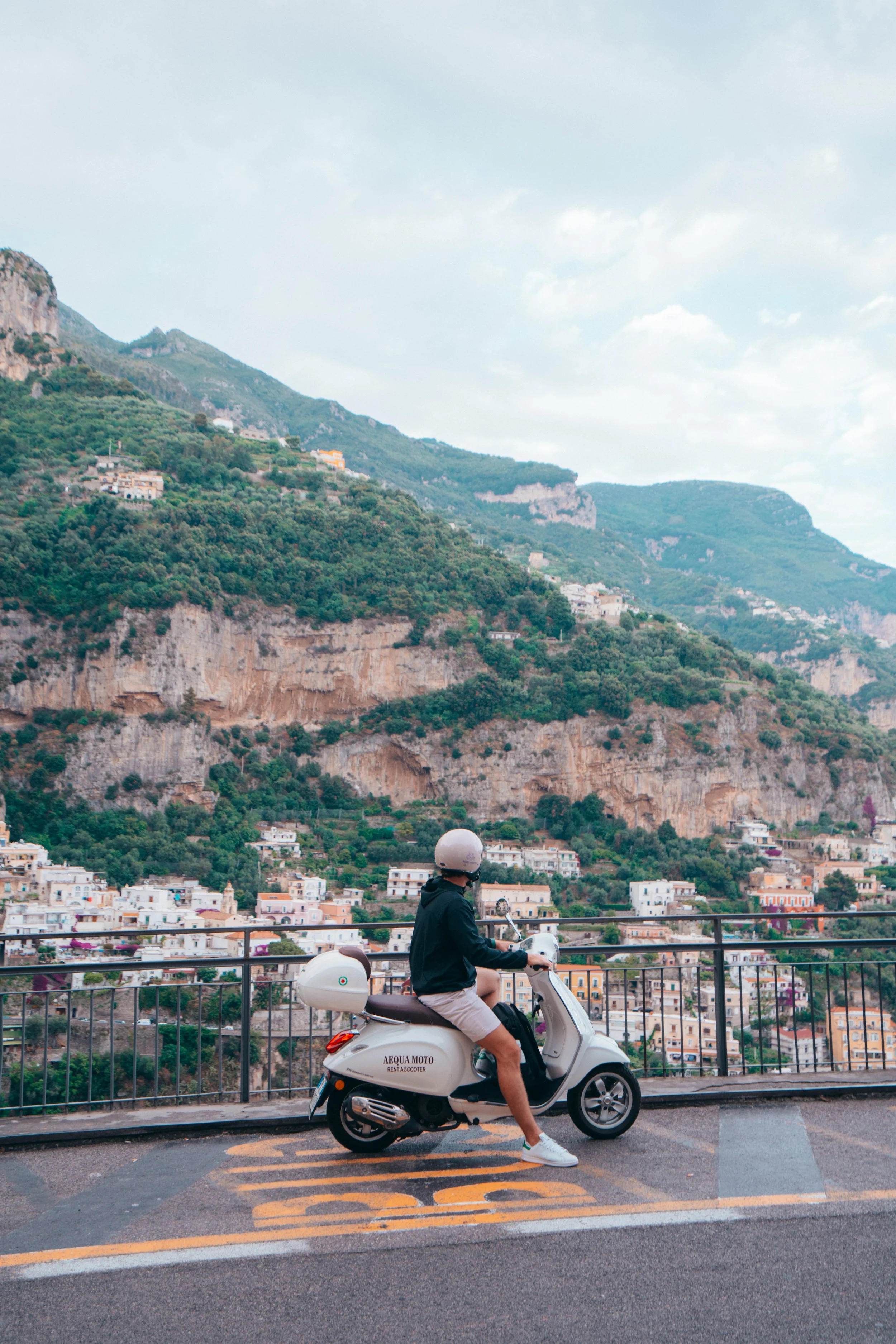
Sorrento and the Amalfi Coast: Vespas, lemons and the bluest water
We took the Italo train from Roma Termini to Naples (about an hour), then the bus to Sorrento, which stops at Pompeii. There's luggage storage at the station, so you can explore for a few hours and carry on. Go early if you want to do both in one day. We were sick and skipped it, which we still regret.
Our base was a little farm stay in the hills above Sorrento, with sea views to Capri and lemons and oranges from the garden. We'd recommend Sorrento as a base: it's cheaper and better connected than Positano or Amalfi.
Positano by Vespa
Riding a Vespa on the Amalfi Coast had been on our bucket list forever. Ours cost €65 for 24 hours, plus €15 each way to deliver and collect it. Not cheap, but so worth it. The coast road is steep and twisty, so if you're not a confident rider, take the bus or a boat. Parking a scooter in Positano was €4 an hour. Parking a car is a nightmare.
Positano blew our minds. It's huge and grand, with bougainvillea everywhere and lemon-themed everything. We had pesto pasta and an Aperol spritz with a view at Ristorante Bruno, then a lemon sorbet on the beach. The beach itself is pebbly and crammed with sunbeds, but the setting makes up for it.

Positano: touristy, and worth every bit of it
A day on the water
We'd planned to take a boat to Capri and the Blue Grotto, but the sea was too choppy and the trip was cancelled. These things happen, so keep this day flexible. Instead we explored the Sorrento coast's caves and swimming spots on a self-drive boat. If the sea is calm, do the Capri and Blue Grotto cruise. Claire's gran did it on a camper-van trip around Italy decades ago and called it one of the most beautiful experiences of her life, and Rhett's mom has done it too.
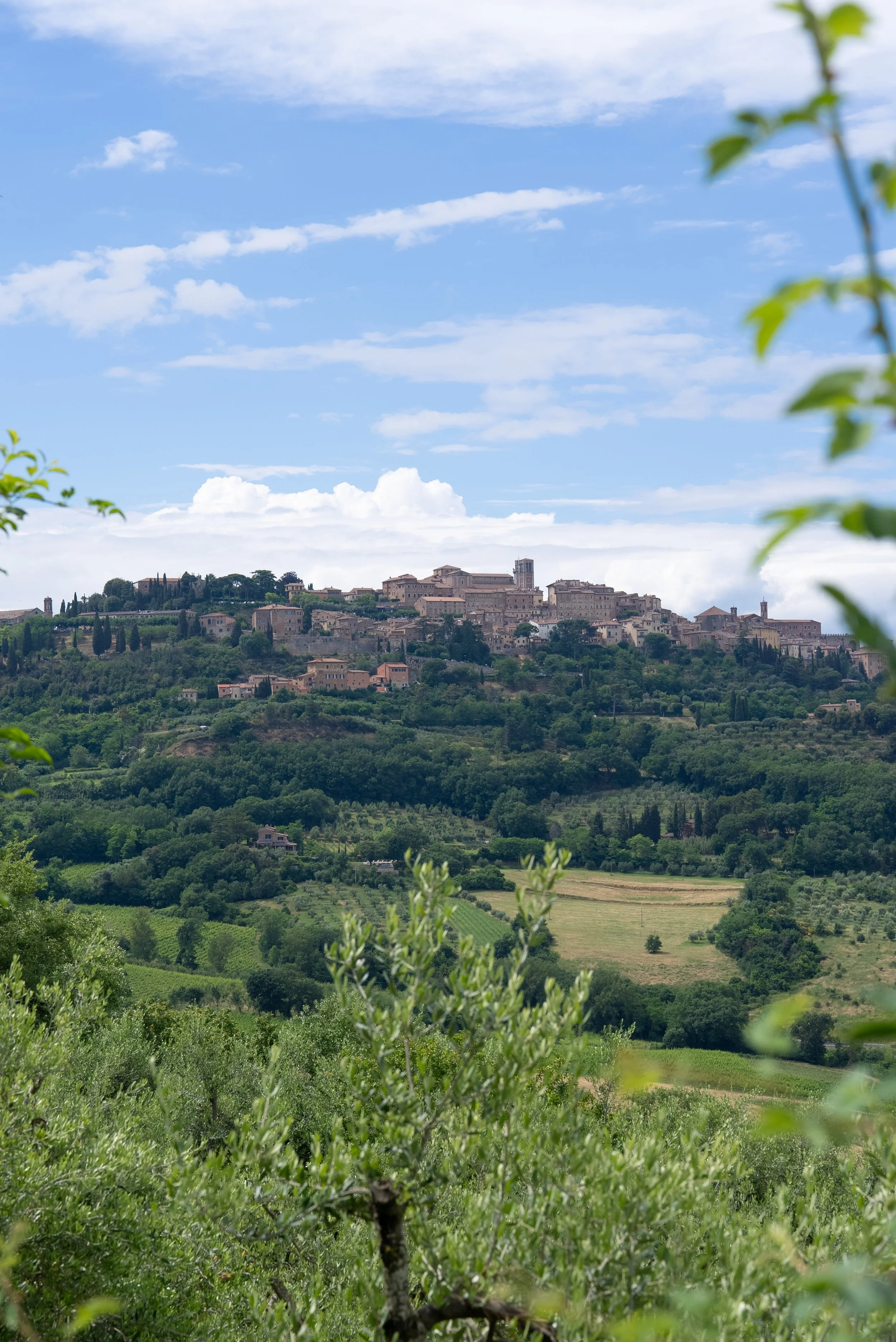
Tuscany: exactly how we pictured it
We picked up a Fiat 500 (we use Discover Cars) and drove north. If you have time, stop in Naples on the way: it's the birthplace of pizza, and Antica Pizzeria Port'Alba claims to be the very first pizzeria.
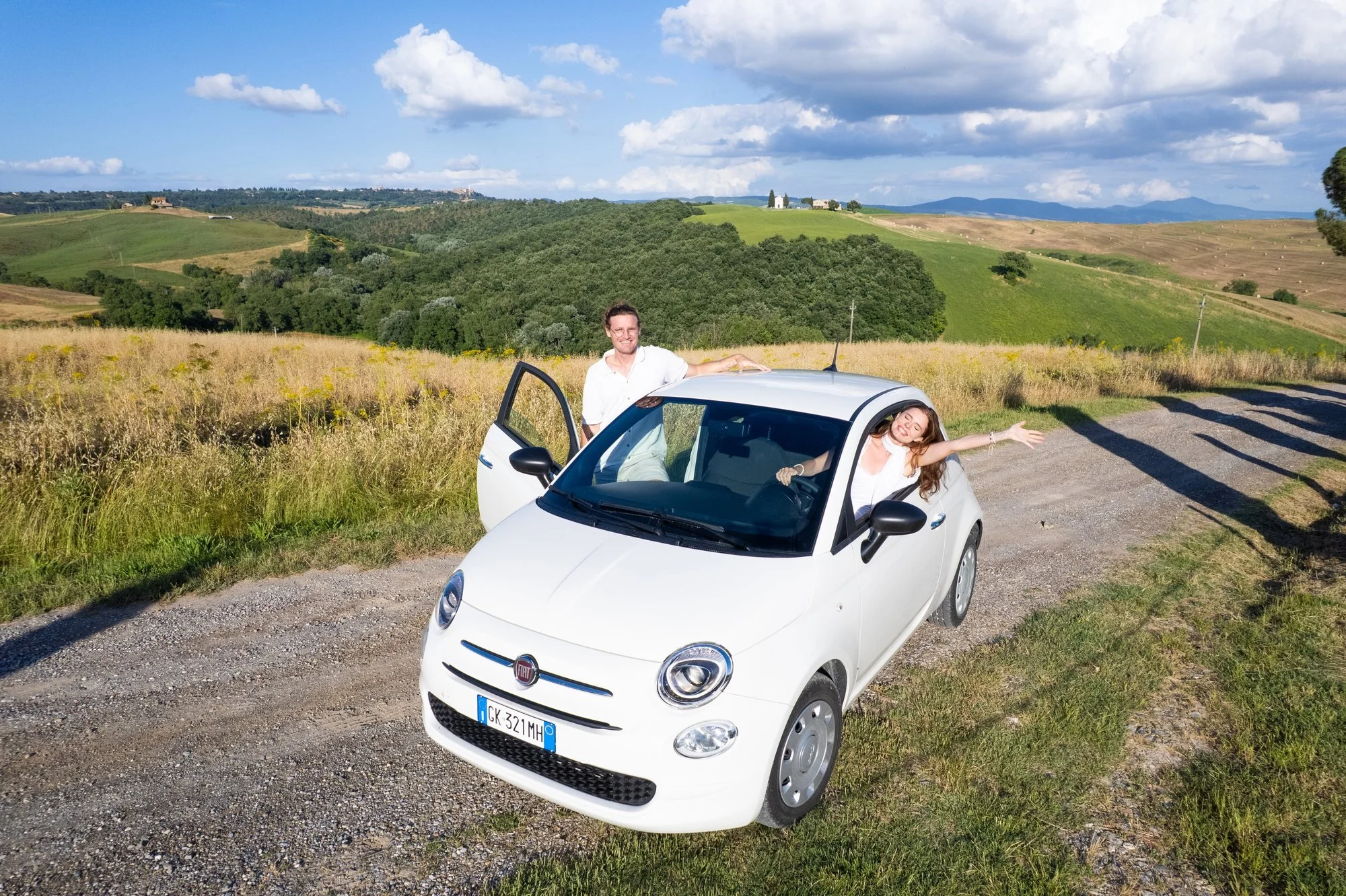
Our Fiat 500 in the hills of the Val d'Orcia
We stayed at Agriturismo Poderino in the Val d'Orcia, often called the most beautiful valley in Italy. Our host, Luciano, met us with cake, milk and real Italian coffee, and his mum, who spoke no English at all, showed us around. Download Google Translate: out here, not everyone speaks English, and we loved that.
A full bag of groceries for four or five meals came to €30, including a good bottle of local wine for under €2. Tuscany isn't nearly as expensive as you'd think if you cook.
We spent a day doing exactly what Tuscany is for: wine tasting near Montalcino (home of Brunello), wandering Pienza, and stopping at every viewpoint. Ten minutes from our stay is the cypress-lined road from the film Gladiator, where every man in Italy seems to be doing the same pose. If you'd rather someone else drove, there's a small-group day trip to Pienza and Montepulciano.
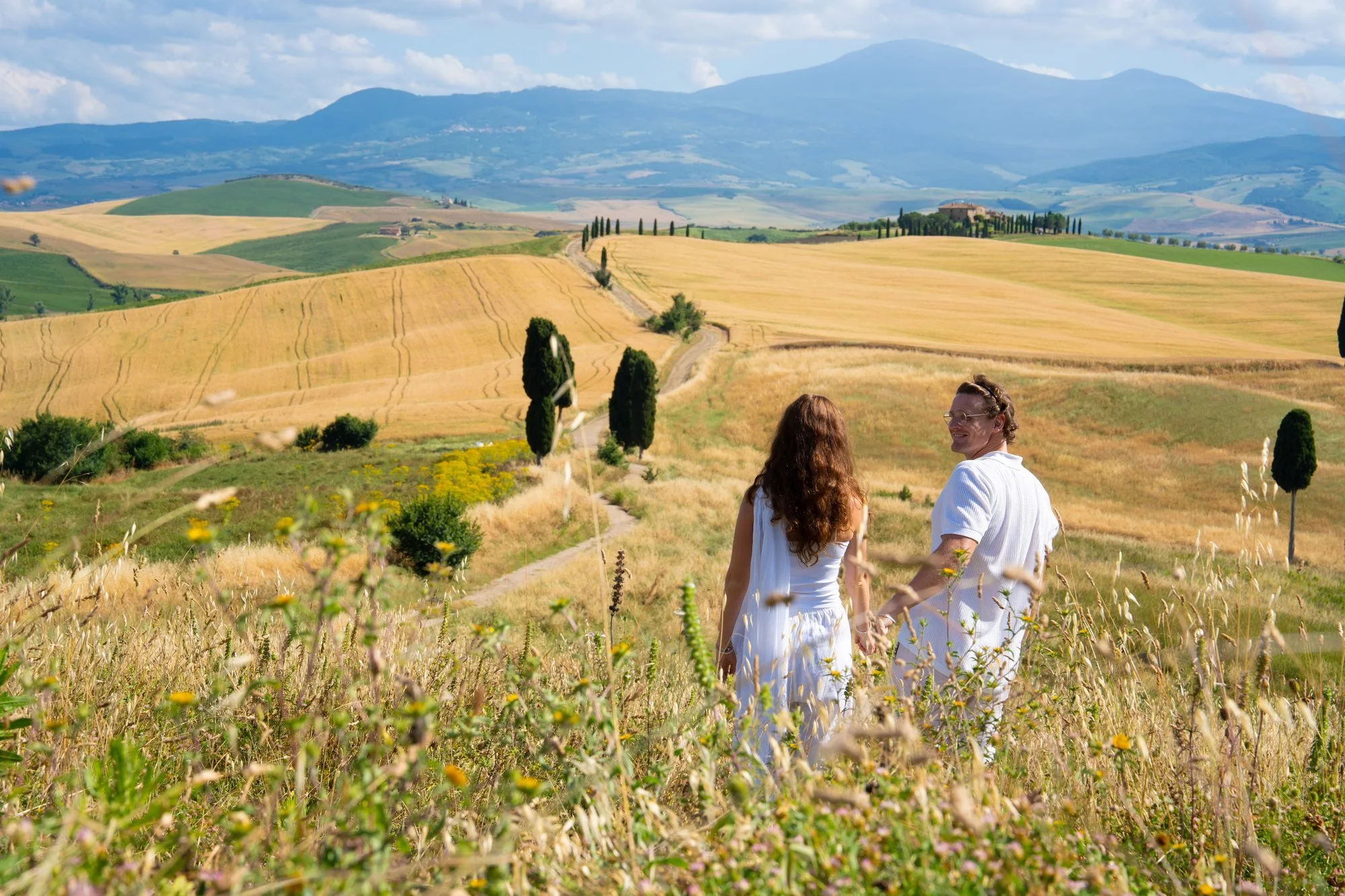
The Val d'Orcia: often called the most beautiful valley in Italy
Our tip: old towns have ZTL traffic zones with cameras. Park outside the walls.
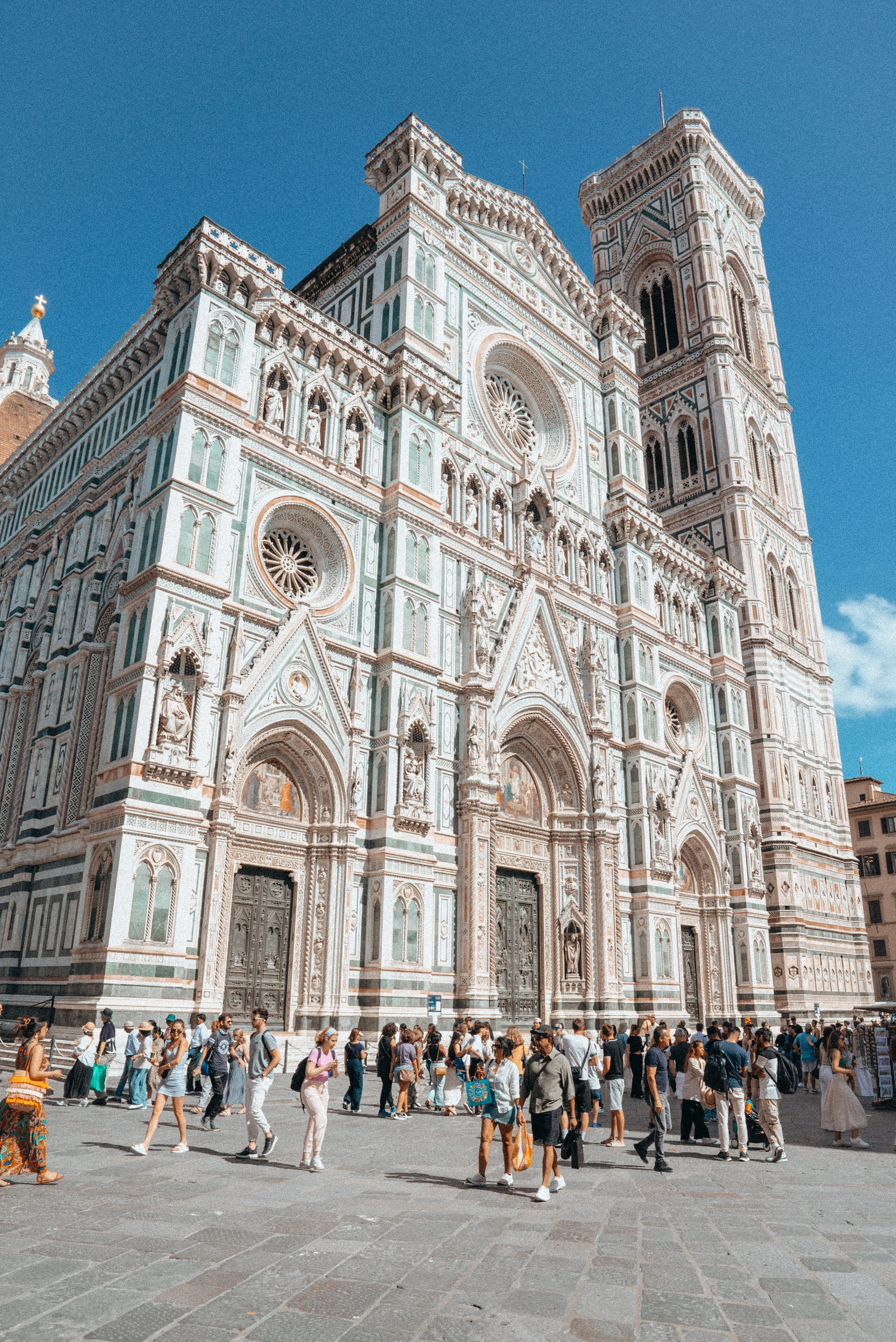
Florence: art, history and the best pasta we've ever made
We only had an afternoon and an evening in Florence, so we stayed central at Hotel Miceli – Civico 50 on Via Cavour, about €130 a night and a short walk from everything. Giotto's Bell Tower is one of the most beautiful buildings we've ever seen, with the Duomo and the Baptistery right beside it.
We wanted to see David at the Accademia, but the queue was far too long and we hadn't booked. Learn from us and book ahead. If you don't, there's a replica in Piazza della Signoria. The Uffizi, home to Botticelli's Birth of Venus, is just around the corner.
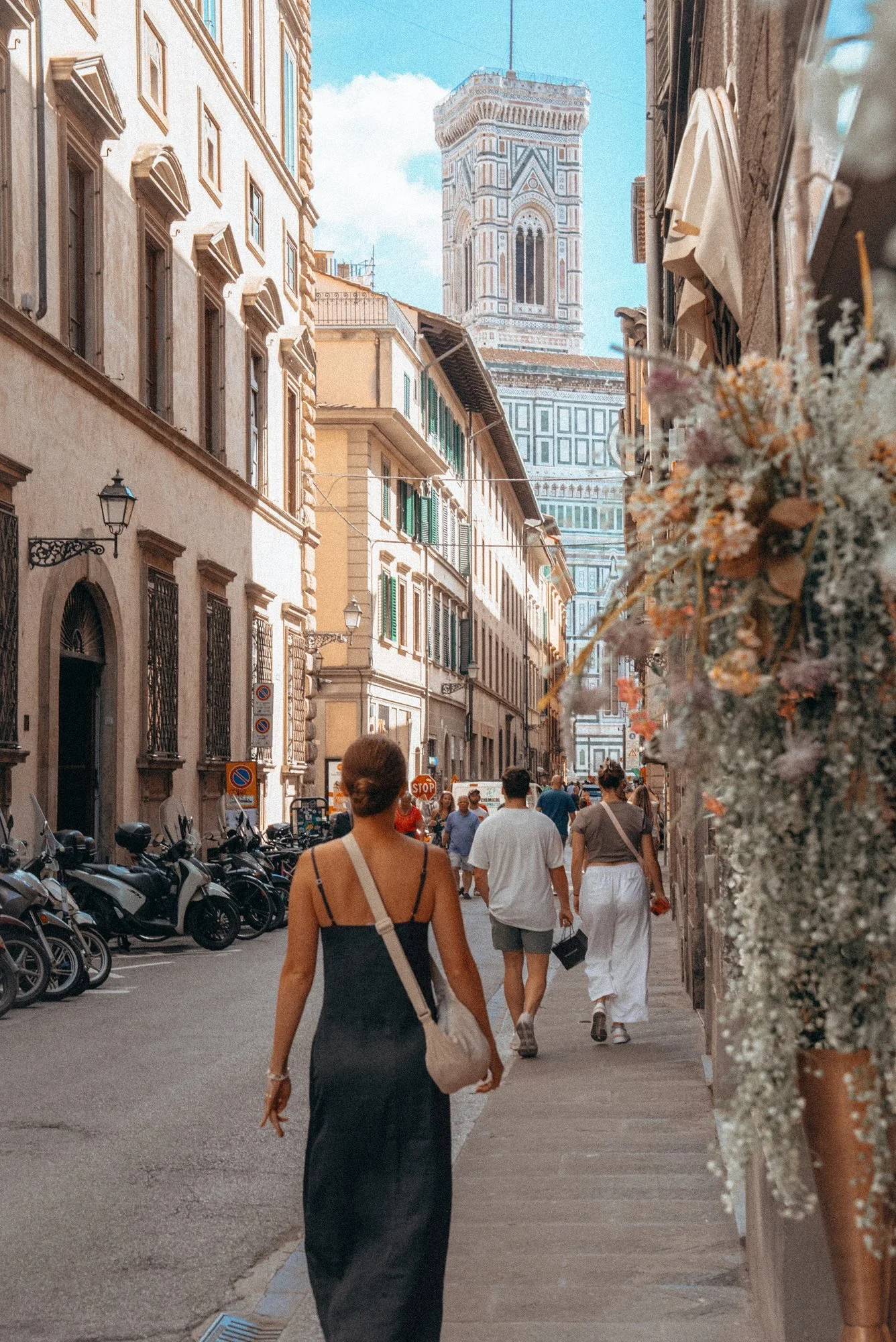
Florence is best explored on foot, with Giotto's Bell Tower around every corner
The one thing we had to do before leaving Italy was a pasta and tiramisu cooking class. We made tagliatelle and ravioli from scratch, learned the story behind tiramisu (the "pick-me-up" dessert) and drank bottomless wine. We will never eat ravioli again without appreciating the work that goes into it.
Lake Como: the perfect finale
We took the fast train from Florence to Milan, and when we booked, a pop-up offered a business-class upgrade for €13. Take it. If you're ending your trip in Florence, though, you'll have had a fantastic two weeks.
From Milan we picked up a campervan from Indie Campers and drove up to the lake for a night at a lakeside campsite (€35). The next morning we walked into Bellagio, and we said it straight away: Lake Como is our favourite place in all of Italy. It's peaceful, a little posh and not overly touristy. If you can, stay right in Bellagio. Hotel Bellagio is an affordable, central option.
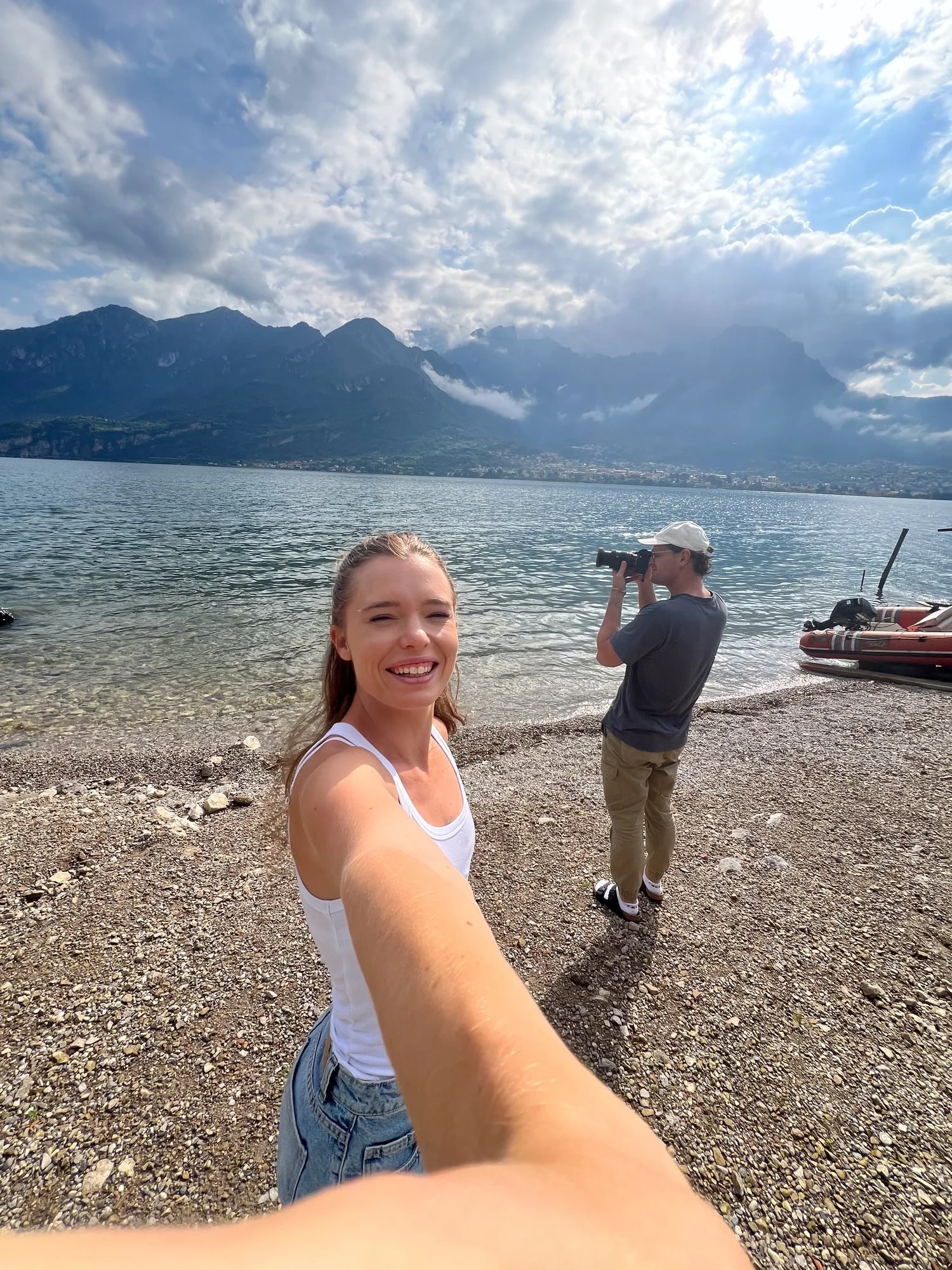
Lake Como: our favourite place in all of Italy
Take a boat out on the lake, and on a warm day go to Nesso, where you can swim under the famous bridge and jump off the rocks. From Como, Milan is about an hour by car or train for your flight home.
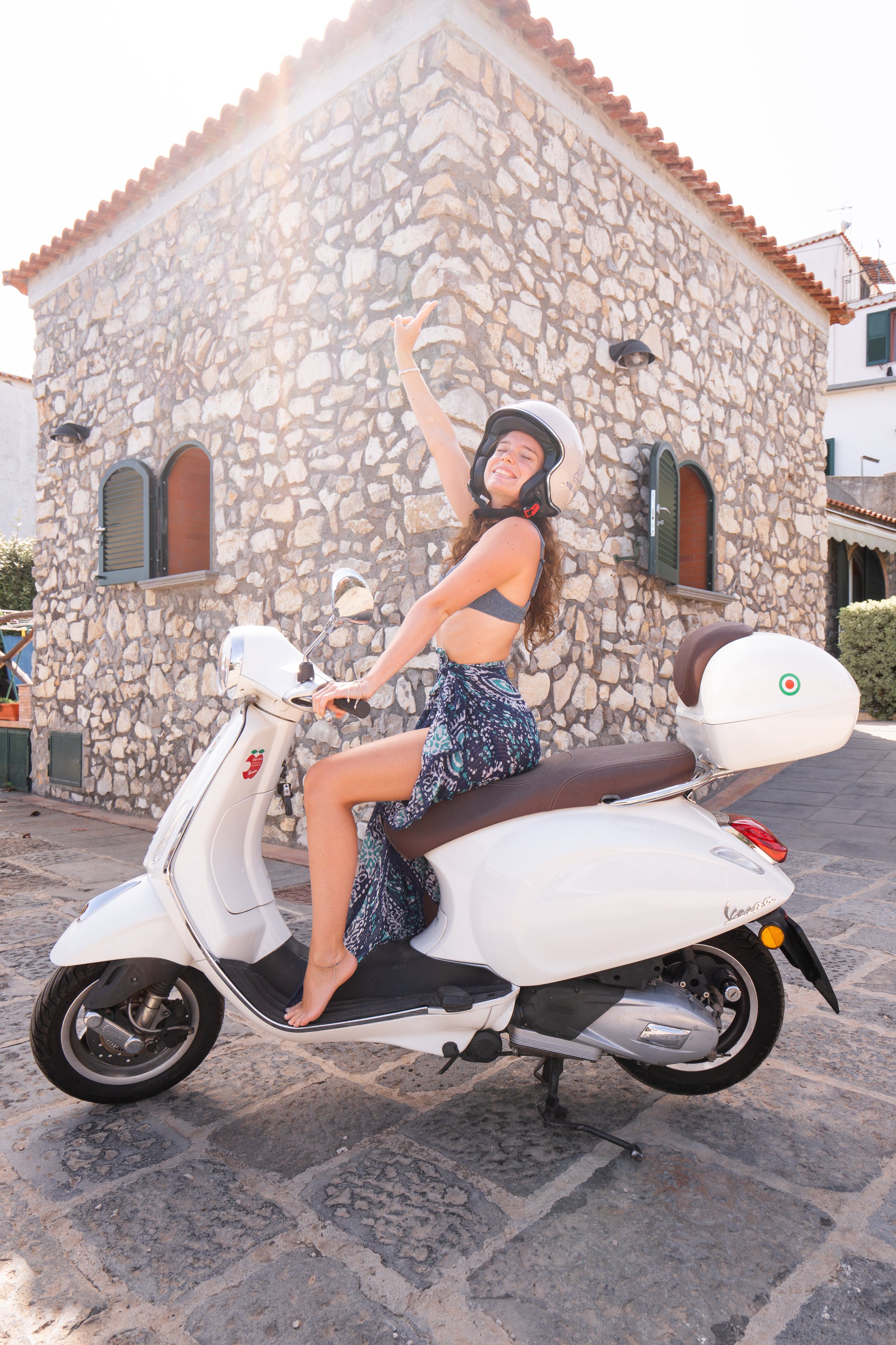
Want our exact plan?
We've put everything from this trip into our Italy Destination Guide: the 14-day route day by day (plus a version that starts and ends in Rome), our Google Map with 130+ places Claire pinned along the way, 35+ hand-picked stays, a booking timeline and what everything really cost us.
These are the tours we'd book again:
Best time to visit Italy
We went in early June and it was already 33°C in Rome. July and August get close to 40°C, with the biggest crowds and highest prices. Spring (April–May) and autumn (September–October) are the sweet spot: warm, but with fewer crowds and better prices.
How to get around Italy
Fast trains link the big cities at 300 km an hour, with fast Wi-Fi on board: book early, because prices rise. A car is best for Tuscany, and a Vespa or boat for the Amalfi Coast. We found the highway drive from the Amalfi Coast to Tuscany stressful (so many trucks), and we'd take the train for long distances next time. Double-check which Milan airport you're flying from: Malpensa and Linate are an hour apart.
Packing essentials
Comfortable walking shoes. We walked more in Italy than anywhere else.
Something to cover your shoulders and knees for churches.
A refillable water bottle. Rome and Florence have free drinking fountains everywhere.
An AirTag in your luggage, and an eSIM like Holafly (code RHETTANDCLAIRE) for train apps and maps.
Travel insurance. We both caught the "Euro cough" from packed trains, and a few face masks wouldn't have hurt.
Final thoughts
Italy is one of those places you wonder will ever live up to your expectations. It did, and then some. Visit if you want to feel transported back hundreds of years: in Rome, Florence and Venice there are hardly any modern buildings, and you really feel like you're living in history. If Italy is on your bucket list, make the investment. You'll always make more money.
Start with our free Essential Italy Guide, and if you want the whole trip planned for you, our Italy Destination Guide has the route, the map and the stays. Ciao for now!